
Brightness and contrast — Input checklist
Brightness and contrast — Input checklist: Decide first whether the photo is dim, flat or tinted, because brightness, contrast and warmth each fix a…
The preview will appear here after you select a file.
Worked example
Decide first whether the photo is dim, flat or tinted, because brightness, contrast and warmth each fix a different problem.
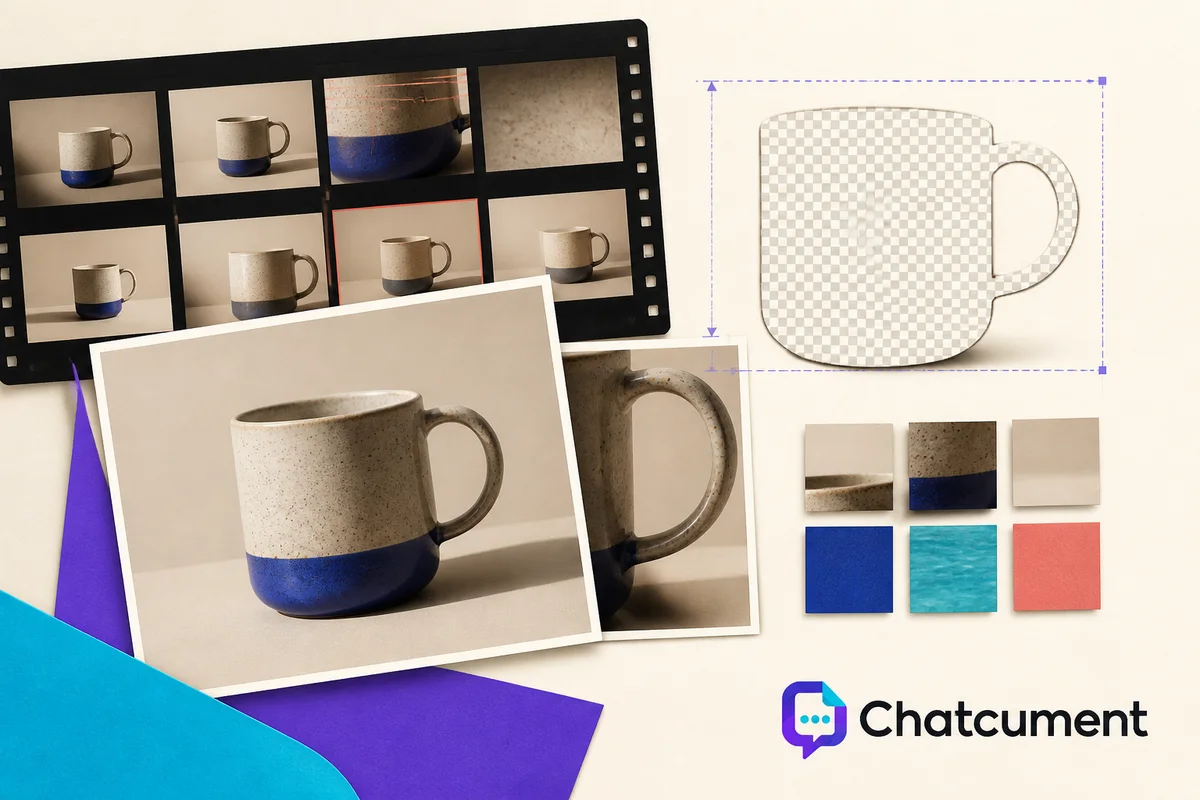
Imagine a potter photographing a mug on a cloudy afternoon, a 3000 × 2000 px JPG. If the whole frame is dim, brightness is the first fix. If the mug looks grey and milky even though the exposure is fine, the picture is flat and needs contrast. If the white backdrop looks yellow or blue, you want Warmth. Naming the problem first stops you from pushing every slider at once.
Look for areas that are already lost. In a JPG, pure white sky or a glossy glaze highlight with no texture cannot be recovered, and a deep black shadow stays black. Zoom to 100% on the brightest and darkest parts and note whether any detail is visible there, because that decides how far you can safely go.
Pick a source taken under consistent light. A set of ten mug photos shot at different times will not match after one fixed adjustment. Start with the best-exposed picture, find numbers you like for it, and treat the other nine as separate cases.
The common mistake is judging on a laptop screen at full brightness or at night with the display dimmed. View the file on the screen your customers use, or at a medium brightness, and compare it with a known-good photo before you decide the image is too dark.
Input
Underexposed photograph
Output
Adjusted image; highlights inspected
Name the exact problem (dim, flat or tinted) first; one unclear complaint leads to over-editing.
Choose a specific task 6
Related tools 13
How to use Brightness and contrast — Input checklist
- Choose the image for Brightness and contrast — Input checklist.
- Adjust the task-specific controls while reviewing the preview.
- Apply the change and download the completed image.
Quick answers
What does Brightness and contrast — Input checklist do?
Brightness and contrast — Input checklist: Decide first whether the photo is dim, flat or tinted, because brightness, contrast and warmth each fix a…
How do I use Brightness and contrast — Input checklist?
Choose the image for Brightness and contrast — Input checklist. Adjust the task-specific controls while reviewing the preview. Apply the change and download the completed image.
What can I do with the Brightness and contrast — Input checklist result?
The preview reflects the selected operation; completed images can be downloaded individually or together when a batch is available.
What should I check before publishing an edited image?
Open the exported file and check its dimensions, file size, fine text, edges, and transparency at the size where it will be used. Resizing changes pixel dimensions; compression targets file size. Enlarging an image does not guarantee recovery of missing detail. Keep your original so you can export again with different settings.